

Faking Orgasms
What Men Don't Know About Her Side of It

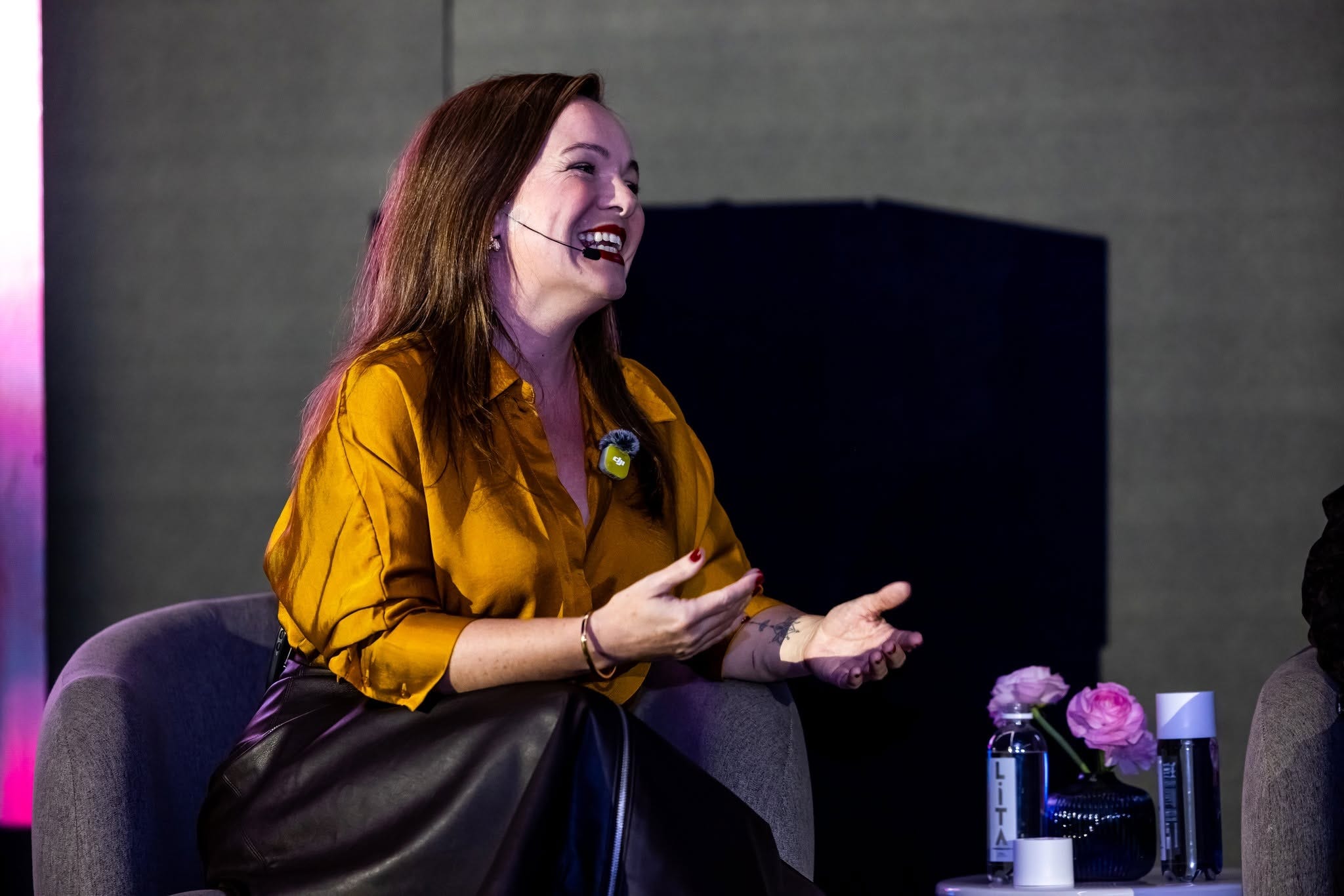
I faked orgasms for years. With a man I loved, in a bed I wanted to be in, because faking was easier than the awkward conversation. I’d decided somewhere along the way that it just wasn’t going to happen for me, and I got very good at making the noises.
I teach this for a living now, but I’m not scared to admit it.
A few weeks ago I was sitting on a panel in Sandton, where Durex had brought me in as the lead expert spokesperson for their Mutual Climax campaign, alongside a few very exciting people you might recognise. And the thing that happened in that room is the reason I’m writing this.
We started talking about women faking orgasm. How common it is, how convincing it is, and how much work goes into it. The breathing, the timing, the specific noises, the body twitches. Yass, it can become a whole performance!
I watched as the men in the room absorbed this info in real time. It was a bit like watching someone realise their house has a room they’ve never been in.
They knew about the pressure they were under. Every man in that room could have told you about the moment in bed where he starts running the mental checklist. Is this working? Is she close? Am I taking too long? Am I not taking long enough?
What none of them had thought about was that the woman lying next to him was doing exactly the same thing.
I’ve spent my last two blogs telling you that the erection was never the test, that softness isn’t the end, that you were handed a scorecard nobody should have given you.
This is the other half of that. She got handed a scorecard too. Hers just looks different. Hers says be enthusiastic, be responsive, don’t make him feel bad, don’t be the woman who needs a lot. So she learned to produce the evidence the same way you learned to produce yours.
The Cost of Faking Orgasms
Faking orgasms is almost never about deceit. When I did it, I thought I was being kind. I didn’t want him to feel like he’d failed. I assumed there was something wrong with me, and didn’t know that what I wanted was even available. So what exactly was I going to ask for?
I was protecting the moment. And in doing that, I taught someone that a thing that wasn’t working was working.
Once you’ve put on that act, you’re committed. You have to keep faking it, since the alternative is a confession. And the whole time, the person you love is doing exactly what you taught him to do, faithfully, for years, and getting nowhere near you.
That’s the real cost, and it isn’t the orgasm. It’s the distance. I did it for years, and it made me lonely in a way I couldn’t explain to the person lying right beside me.
The Durex survey behind the campaign I was speaking for found that almost 60% of South African women don’t always orgasm during sex. And only 52% of people had ever talked to their partner about their sex life with any intention of improving it.
Half. Half of us have never once said a word about this out loud.
What to say instead
So the move here is not to go home and start interrogating.
Get curious instead of efficient.
Tell her… “I want to know what you really enjoy.” “How could we make this even better for you?”
She might not have an answer ready. She may never have been asked, and she may not have the words for it yet. That’s not a bad sign.
Most women need considerably more time and considerably more of the right kind of touch than the usual script allows. So slow down and pay attention.
And don’t panic if she doesn’t orgasm. Make pleasure the goal. The moment climax becomes the deliverable, she’ll feel the pressure. And she’ll produce one. She’s had practice!
The Durex campaign I was there for centred on the launch of a new condom. The Mutual Climax has a lubricant on the inside that takes the edge off his urgency, plus ribs and dots on the outside so she gets more stimulation where it counts. Slows him down, speeds her up. It’s a tool that can support couples having courageous conversations and learning about each other’s bodies.
For the record, I don’t blame the men involved. How were you supposed to know any different when the one person who could have told you was busy protecting your feelings?
But now you know.
Pleasure is a learnable skill, which just happens to be one of the most fun things to practise.
Before you talk to her
It’s hard to drop the performance with someone else if you’ve never felt what it’s like without one.
I recorded a short audio that walks you through a slower, lower-pressure kind of touch. No goal, no audience, nothing to prove.